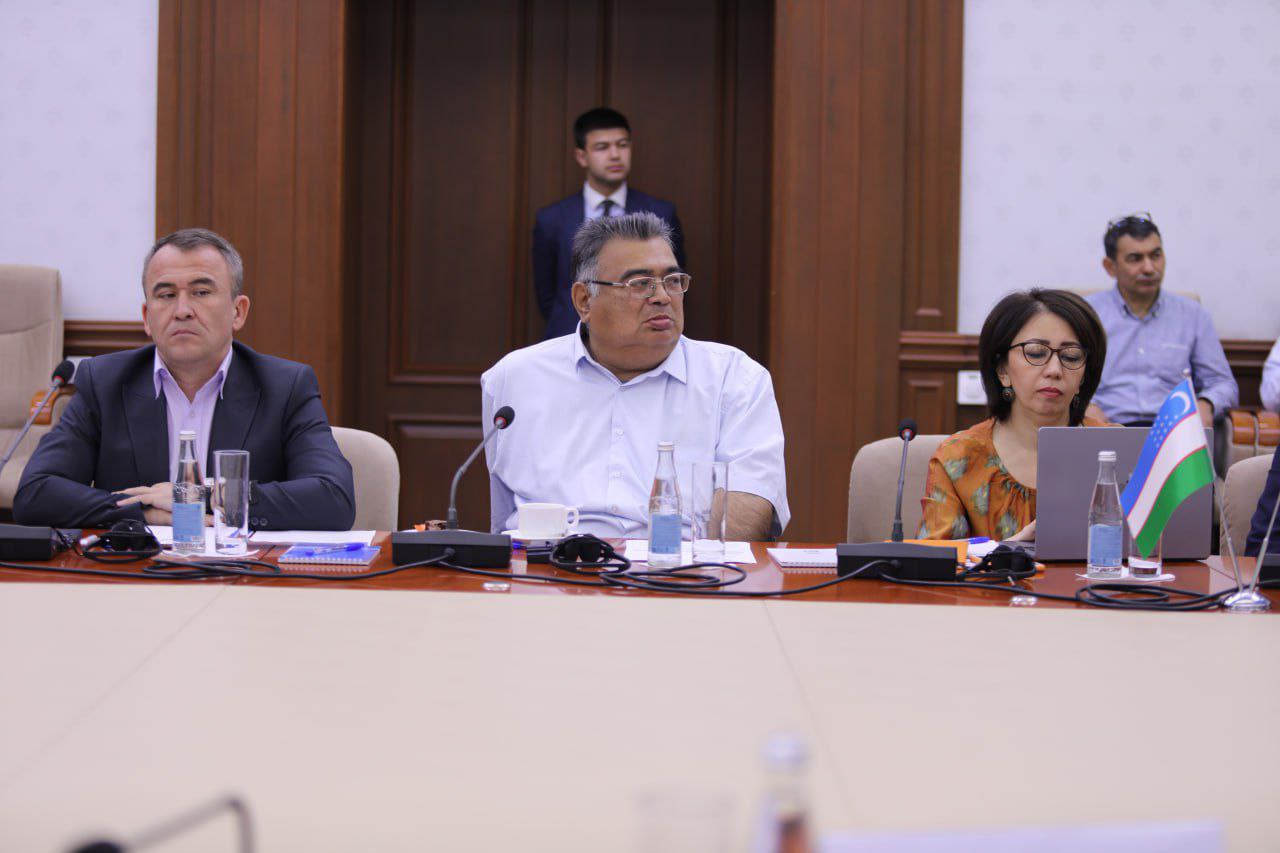
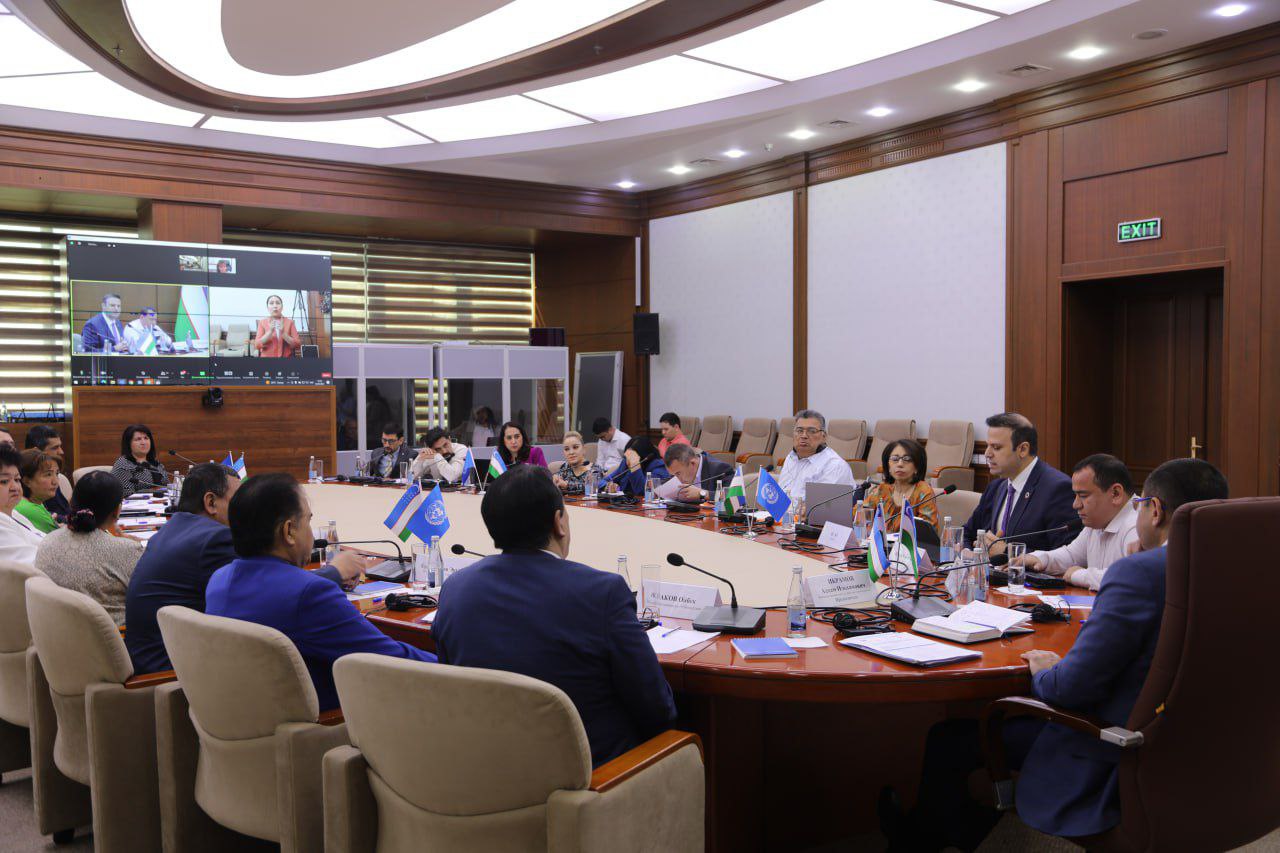
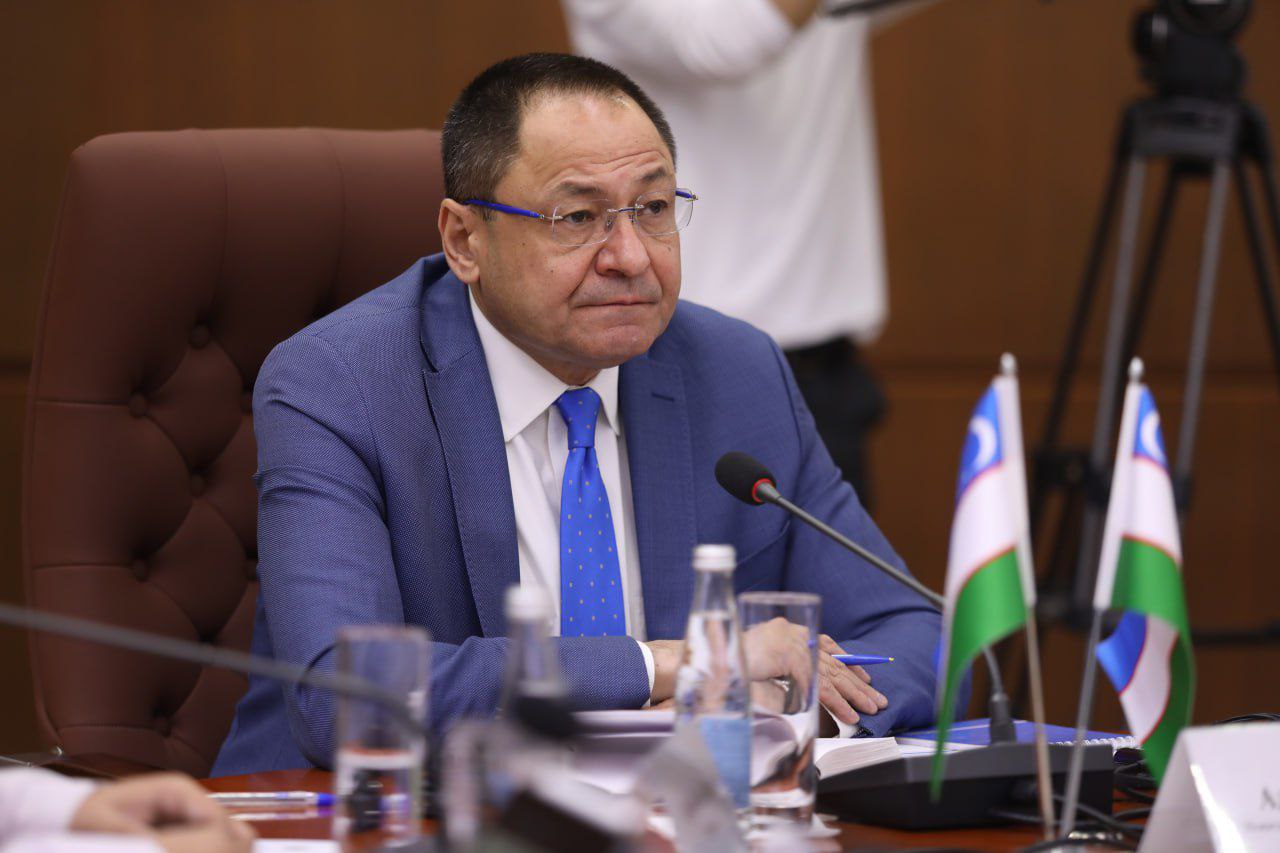
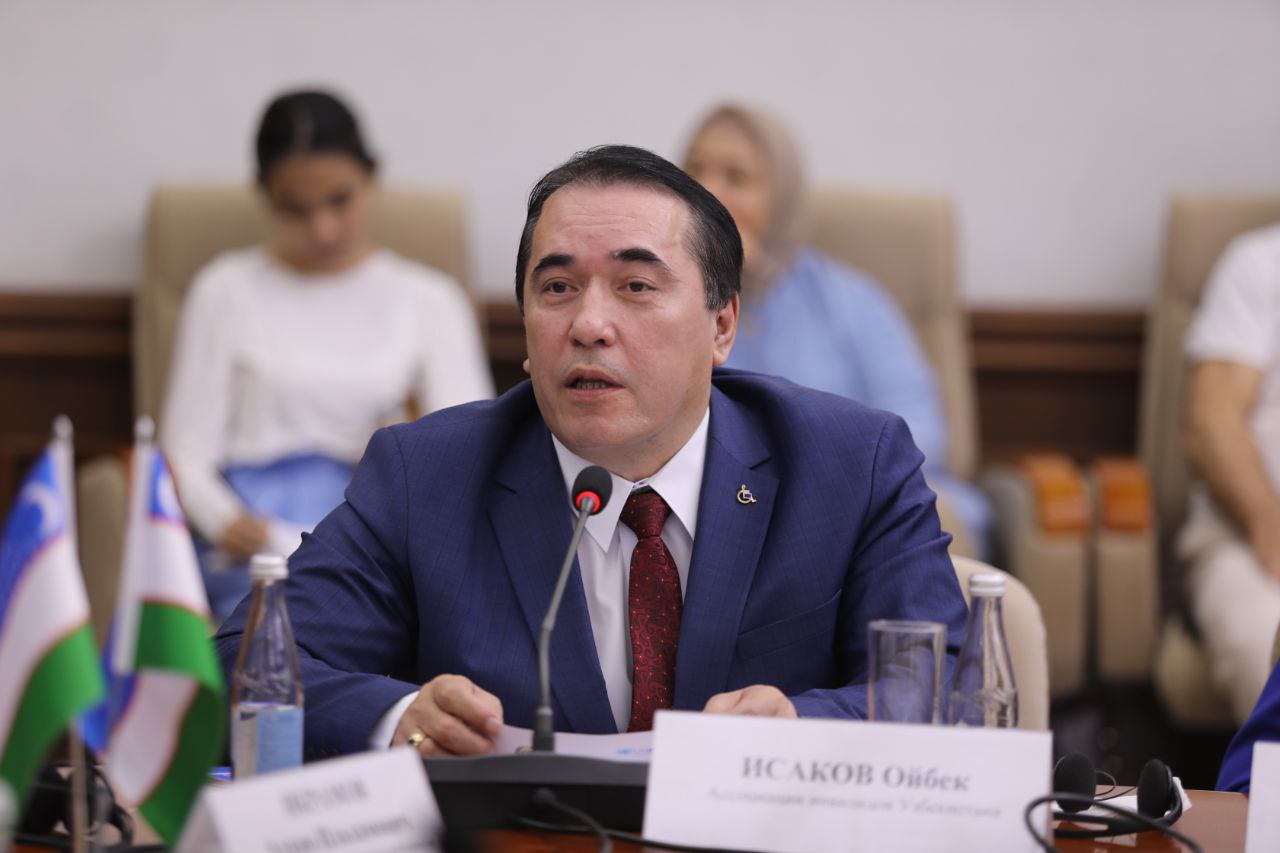
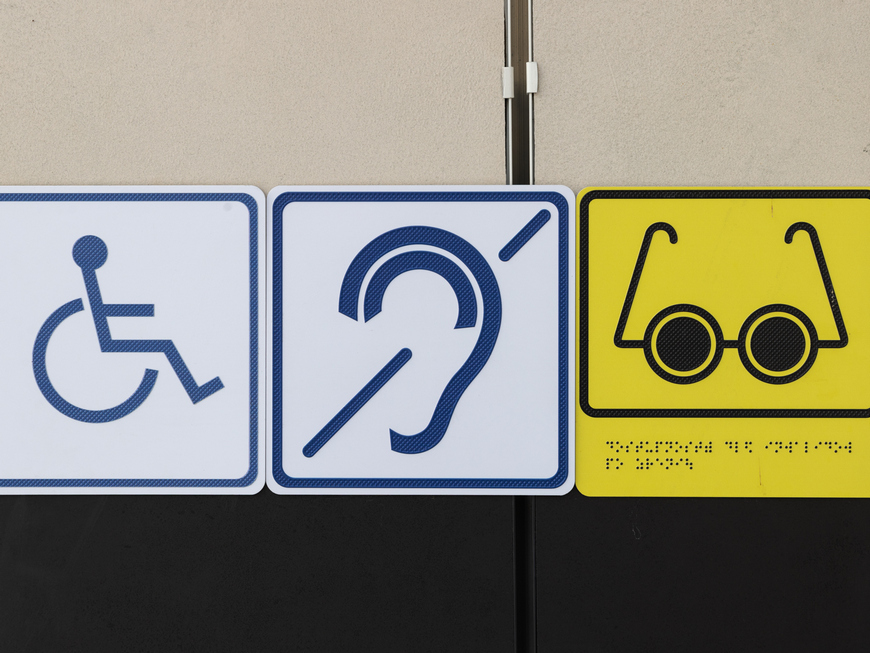
The results of the work done in the Association of Disabled People of Uzbekistan for 2022 have been summed up!

At this conference, the chairman of the Association of Disabled People of Uzbekistan, Oybek Isakov, expressed his opinion on a number of goals and plans that should be implemented in his association to improve the quality of work in the future.

A number of topics were also discussed at the conference, such as the approval of the work plan of the Association of Disabled People of Uzbekistan for 2023, the revision of the regulations on regional offices in a new edition, the organization of the regional branch of the city of Tashkent. and consideration of applications for membership in the Association of Disabled People of Uzbekistan.
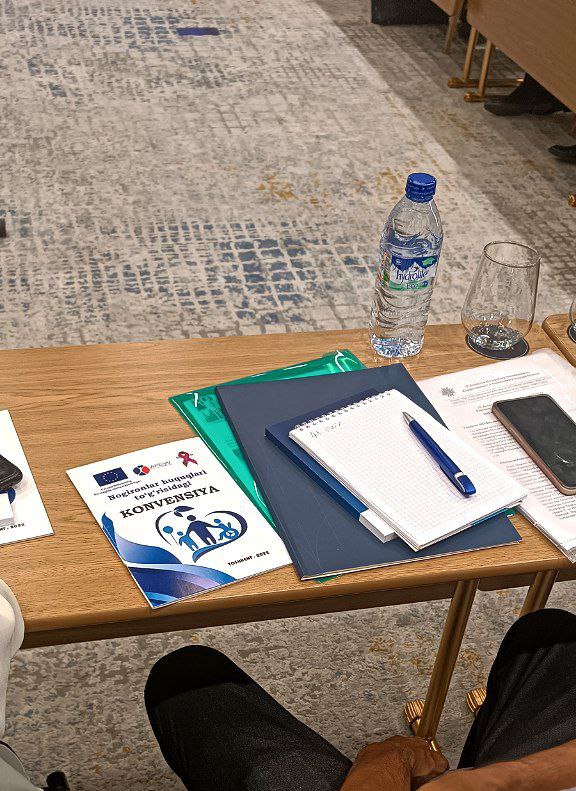

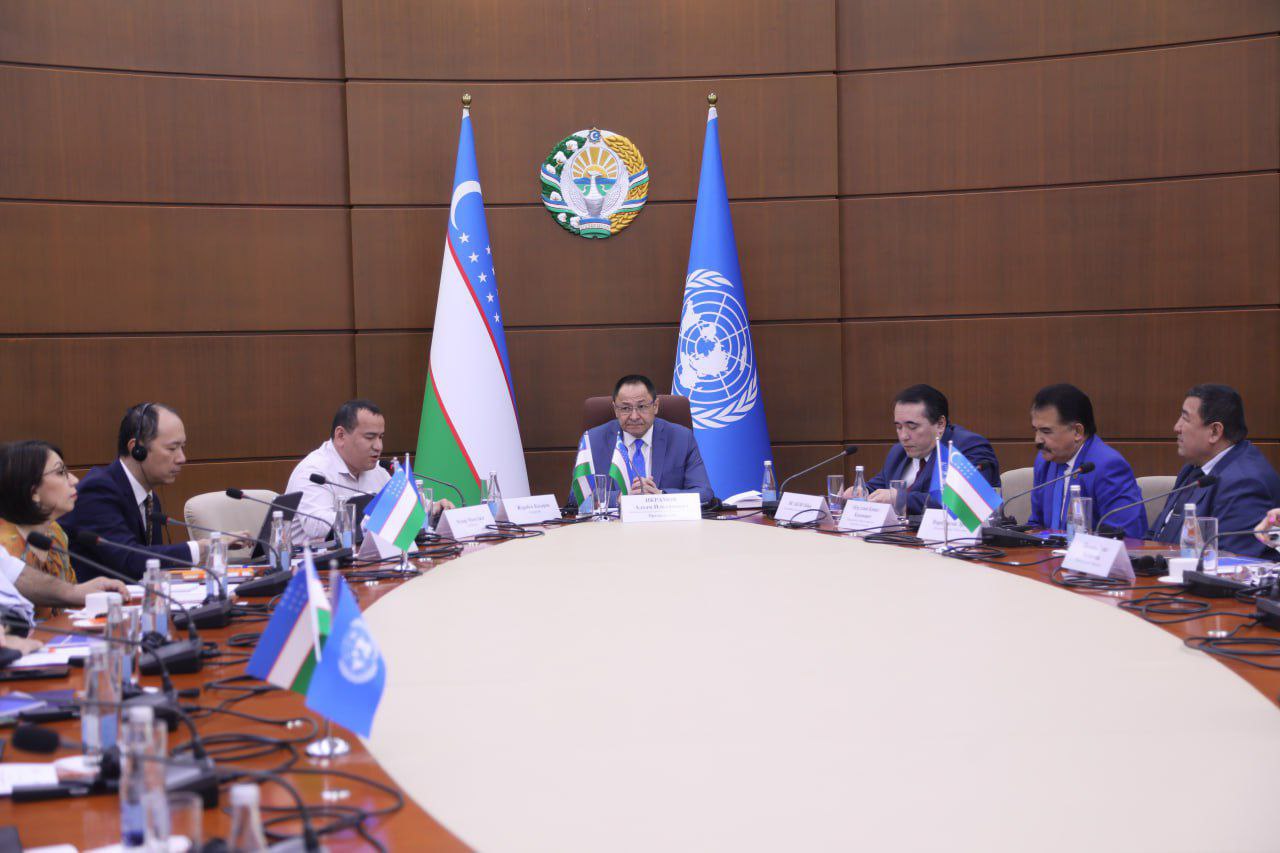
On May 3 of this year, a meeting was held in a hybrid format on the implementation of a joint UN program

"Transformation of the provision of social services: the introduction of an approach based on the rights of children, youth and women with disabilities in Uzbekistan" and the results of 2022 and plans for further implementation.

Organizers: The Government of the Republic of Uzbekistan in cooperation with UNICEF, OHCHR, UNFPA, UNDP and Organizations of persons with disabilities

At the meeting, reports on the results of the past year were heard and further plans for the implementation of the program, disability policy, increasing the competence of national partners in the development of programs, national human rights institutions and civil society organizations were discussed. The UN treaty and statutory bodies, including persons with disabilities, the Rights Committee was tasked with expanding its capabilities in the field of collection, analysis, comparison and reporting.


The role of NGOs in the process of ratification and implementation of the UN Convention on the Rights of Persons with Disabilities

More and more attention has been paid to the rights of people with disabilities in our country recently. To a greater extent, this is due to the appearance in 2006 of the UN Convention on the Rights of Persons with Disabilities, which Uzbekistan signed in 2009. Currently, work is underway at the State level to prepare for the ratification of the Convention.

According to official statistics, 780 thousand people with disabilities live in the republic.

People with disabilities face the following challenges in their life:

– Lack of access to infrastructure

– Lack of access to services and information

– Difficulties with employment, discrimination of persons with disabilities in the field of employment

Restriction of access to education and satisfaction of socio-cultural and sports needs

– Isolation of LsI / institutionalization

– Stereotypes and stigmatizations of society (medical and charitable approaches)

– Non-involvement of disabled people and their organizations in the development of public and state programs and strategies.

– Lack of full-fledged statistics covering all spheres of life of disabled people

– Lack of inclusion in all spheres of public life

– Financial instability of public organizations of the disabled

– Low organizational potential of public organizations of disabled people

– Non-involvement of public organizations of disabled people at the decision-making level, as well as in political processes.

– Low level of information about disability, people with disabilities and the rights of persons with disabilities among all segments of society, including in families, in structures providing services for people with disabilities.

According to the World Health Organization, at least 10-15% of the population in each country are citizens with disabilities. In many countries, people with disabilities face discrimination, their opportunities are neglected, and their abilities are underestimated. They do not receive the education and health services they need and they are excluded from the life of society. The UN Convention on the Rights of Persons with Disabilities is the answer to these challenges. The Convention is a "road map" for the Government showing what needs to be done so that citizens with disabilities can enjoy their rights on an equal footing with other citizens.

It is important to understand that the rights provided for in this Convention are not new rights. These are the same human rights enshrined in the Universal Declaration of Human Rights, the International Covenant on Economic, Social and Cultural Rights, the Convention on the Rights of the Child, and other international treaties that Uzbekistan has ratified and is implementing. The Convention explains and defines how all categories of rights can be applied to persons with disabilities, identifies areas that require changes to allow persons with disabilities to effectively exercise their rights, and areas in which their rights are violated and in which human rights mechanisms need to be strengthened. The purpose of the Convention is to set out in detail the rights of persons with disabilities and to determine the procedure for their implementation. The Convention no longer focuses on the perceived "wrongness" of a person when an inferiority or vice is seen in a violation of health. On the contrary, the disability problem is considered in the Convention "as a pathology of society", i.e. as a consequence of the inability of societies to cover everyone without exception and absorb individual differences. The Convention requires us to take a different approach. Disability is not a human flaw, but a flaw in the social environment that creates and maintains environmental barriers. It is not a person who needs to be assigned a disability and receive an individual rehabilitation plan, it is our homes, our transport, our education system that need to be given a degree of disability and equipped with means of rehabilitation. It is society's fault that we cannot use the potential of a huge number of our fellow citizens in the development of the country.

The main philosophy of the UN Convention on the Rights of Persons with Disabilities is to create an inclusive society. That is, the creation of such a society where all citizens will have equal opportunities to exercise their rights.

The legislation of Uzbekistan as a whole sufficiently ensures the rights of persons with disabilities and does not require global changes, but unfortunately, the laws do not find their practical application, the ratification of the Convention will become a catalyst in the implementation of domestic legislation aimed at respecting the rights of persons with disabilities.

If we want to improve the quality of life of people with disabilities, as well as to involve and include them in the life of society, then we must advocate for the ratification of the UN Convention on the Rights of Persons with Disabilities.

After the ratification of the Convention, the second part of the work will begin: the implementation of the Convention into national legislation and bringing legislation into compliance with the requirements of the Convention. The process of implementing the Convention will cover a long period. It requires a lot of state and public events, an extensive explanatory and educational campaign among the population and at all stages of the implementation of active, possibly more responsible involvement of representatives of public organizations of disabled people as experts in their own business. After the ratification of the Convention, public organizations of persons with disabilities will submit alternative reports on the implementation of the Convention to the UN Committee on the Rights of Persons with Disabilities in accordance with the provisions of articles 33, 34, 35 of the Convention and participate in monitoring its implementation. A wide field of activity opens up here for public organizations of disabled people, who can and should act as initiators of the revision of legislative and by-laws, developing and proposing their own draft documents affecting the interests of disabled people.

At the moment, for public organizations of persons with disabilities, the intensification of their activities in order to bring legislation and practice in accordance with the provisions of the Convention is coming to the fore. In this context, an analysis of violations of the rights of people with disabilities and the state of the current legislation is necessary in order to understand exactly what actions the legislator and law enforcement officer need to take as a matter of priority so that the provisions of the Convention on the Rights of Persons with Disabilities after its ratification are successfully implemented into our legislation.

The Preamble of the Convention states that "... persons with disabilities should be able to be actively involved in decision-making processes regarding strategies and programs, including those that directly concern them" To implement the principle "Nothing about us without us" "Nothing about us without us" is necessary at the legislative level, to consolidate the obligation to involve public organizations of disabled people in solving any issues related to the life of people with disabilities, to develop clear mechanisms for such participation and to introduce responsibility for violating established norms.

In order to create the necessary conditions for the ratification of the UN Convention on the Rights of Persons with Disabilities and its implementation, public organizations of disabled persons, for the first time in the history of civil society in Uzbekistan, independently developed a project, a National Action Plan for the implementation of the UN Convention on the Rights of Persons with Disabilities.The developed draft of the national action plan consists of more than 111 points covering all spheres of life of disabled people.

The developed project was submitted to the relevant ministries and departments for its analysis and making proposals. Almost all relevant ministries reacted positively to the draft document and made their proposals, which were taken into account when finalizing the draft NAP.

The implementation of the national action plan will create conditions for the implementation and ratification of the UN Convention on the Rights of Persons with Disabilities, in particular:

1. Currently, there are no such concepts set forth in the Convention in the current legislation as: "discrimination on the basis of disability" (Article 2), "reasonable accommodation" (Article 2), "universal design" (Article 2), "communication", "language" (Article 2), "inclusive education" (article 24), "habilitation" (26). The status and scope of the use of sign language is not defined. The definition of a disabled person set out in the Law "On Social Protection of Disabled Persons" differs from the definition set out in the Convention. etc. Bringing national legislation into line with the provisions of the Convention, and improving the regulatory framework for the social protection of persons with disabilities, will create legal conditions for the implementation of the Convention.

2. Adoption of state programs, "Accessible environment", "state program for social rehabilitation of disabled people", territorial programs "creation of jobs for persons with disabilities and their employment", adoption of the law "On Social enterprises", will create conditions for the implementation of Articles 9, 26, 27 of the Convention.

3. Improvement of the system of medical and social expertise, taking into account the provisions of the International Classification of Functioning (ICF). It will make it possible to switch to international standards for the definition of disability that meet the requirements of the Convention.

4. The adoption of the regulation of the Cabinet of Ministers of the Republic of Uzbekistan "On inclusive education" will create conditions for the implementation of Article 24 of the Convention.

6. The development and adoption of the draft law "On personal assistants and social services" will create conditions for implementation.20 of the Convention.

7. Establishment of an interdepartmental coordinating committee for disabled persons under the Cabinet of Ministers of the Republic of Uzbekistan, with the aim of coordinating various State institutions, ministries and departments for the implementation of the Convention, as well as monitoring its implementation.The involvement of public organizations of disabled people in this process will allow the implementation of the 33 Conventions.

8. Improvement of information and educational work on various disability issues, the formation of a positive attitude of the public towards people with disabilities. These activities will contribute to the implementation of Article 8 of the Convention.

9. The creation of the State Paralympic Committee will make it possible to raise the issues of attracting disabled people to sports to the state level. As a result, it will be possible to implement Article 30 of the Convention.

10. The creation of a specialized training and methodological center for the training of social workers providing services to the disabled will help to implement Article 20 of the Convention.

In principle, the UN Convention on the Rights of Persons with Disabilities does not actually oblige Uzbekistan to do what is not in national legislation.

The implementation of the convention will ultimately create an inclusive society.

Of course, we are all realists and have no illusions that immediately after the ratification of the convention there will be some miracles in the social life of the disabled, as we understand that after the ratification there will be a lot of work, including on the part of public organizations of the disabled, on the implementation, implementation and monitoring of the Convention.

However, after the ratification of the Convention, at least we will begin to move, in matters of social protection of persons with disabilities, from the past to the future, and not vice versa. People with disabilities want to be treated not as a burden, but as a resource that is able to contribute to the development of society and the state.

Isakov Oybek.

Uzbek Society of the Disabled, May 2014

Recommendations for the implementation of the electoral rights of citizens with disabilities

The Constitution and legislation of Uzbekistan on elections guarantee equality of rights and freedoms of all citizens of the Republic of Uzbekistan, including those who, due to their physical condition, have certain difficulties in exercising their rights

In February 2009, Uzbekistan signed the UN International Convention on the Rights of Persons with Disabilities. According to the provisions of article 29 of the Convention, "States Parties guarantee persons with disabilities the right and opportunity to vote and be elected and undertake to ensure the full participation of this category of citizens in the electoral process, using procedures, premises and voting materials that are sufficiently suitable, accessible and easy for them to understand and use."

It is important to take into account that voting for disabled people is not only their desire and right, but also a rare opportunity to feel like full–fledged members of society.

In order to determine the tasks and ways to solve them in the work of election commissions at all levels to ensure the creation of the most convenient conditions for citizens with disabilities to exercise their electoral rights, the Uzbek Society of Disabled People and members of the Advisory Council of Public Organizations of Disabled People at NANNOUz, in April 2014, developed and submitted to the Central Election Commission of the Republic of Uzbekistan:

In order to determine the tasks and ways to solve them in the work of election commissions at all levels to ensure the creation of the most convenient conditions for citizens with disabilities to exercise their electoral rights, the Uzbek Society of Disabled People and members of the Advisory Council of Public Organizations of Disabled People at NANNOUz, in April 2014, developed and submitted to the Central Election Commission of the Republic of Uzbekistan:

"Recommendations on ensuring the exercise of the electoral rights of citizens with disabilities during national elections."

1. Polling station buildings should be equipped with ramps and railings convenient for wheelchair users.

2. If the entrance to the building where the voting room is located is not equipped with special devices for the entrance of voters with impaired functions of the musculoskeletal system, visually impaired and wheelchair users, election commissions must apply to local self-government bodies, territorial bodies of social protection of the population with a request to resolve the issue of installing ramps, handrails, etc. When carrying out work on the installation of the above-mentioned special devices, it must be borne in mind that they must comply with the current building codes and regulations (SNiP).To verify compliance with the specified standards of special equipment, pedestrian paths, it is recommended to create a working group, which should include members of the election commission, representatives of public organizations of disabled people, and local governments.

3. For the convenience of the will of wheelchair users, special booths for secret voting should be installed at polling stations. They should differ from the usual ones by wider walls and a low table. A wheelchair should easily enter such cabins. The equipment in the voting room (tables, booths and voting boxes) should be located in such a way as to ensure accessibility for voters with disabilities who use wheelchairs or have difficulty moving.

4. For blind and visually impaired citizens, information on the political parties participating in the elections, on registered candidates for deputies, on the procedure for filling out ballots, made in large font and (or) using relief-dot Braille, should be placed on the information stand.Taking into account the needs of this category of voters, optical correction devices (magnifying glasses, illuminated magnifiers, etc.), additional lighting, chairs should be placed in polling booths for secret voting.

5. Election commissions, when preparing work plans for information support of elections in order to increase the availability of information, should provide for the necessary measures to inform voters who are disabled.

6. Informing voters who are disabled is carried out using various ways to ensure unhindered access to information, which are determined taking into account the category of disability.

Election commissions are recommended to provide information to visually impaired voters:

-to provide for the use of the capabilities of the radio broadcasting network;

- prepare releases of information materials in audio format (on digital media) about the course of the election campaign (time and place of voting, main electoral actions, contacts), political parties participating in the elections, candidates for the position of deputies, voting procedure, the procedure for filling out the ballot and other procedures;

-to provide for the possibility of preparing informational issues of publications (leaflets) printed in an enlarged font, convenient for reading, as well as using relief-dot Braille;

– to use the possibilities of the information and telecommunication network, including the official websites of the Central Election Commission of Uzbekistan, territorial election commissions, for the placement of information materials intended for the visually impaired.

-in order to familiarize blind citizens with information about elections, use the technical capabilities of libraries for the blind, the resources of public organizations with visual disabilities that have special equipment (typhoon equipment), on which computer screen access programs are installed that convert text files into sound. If possible, the information can be transmitted using cellular communication by sending SMS messages, which are converted when they are received by the user into a voice signal;

-- to provide specialized libraries for the visually impaired with the necessary information materials produced by election commissions and adapted for this category of voters.

Election commissions are recommended to provide information to deaf and hard of hearing voters during election campaigns:

– use textual transmission of election information by means of facsimile and mobile communications (SMS messages);

-when interacting with the mass media, provide for the use of sign language translation or subtitled broadcasts in preparation for the broadcast of various thematic programs and broadcasts of news releases, including videos about the preparation and conduct of elections.

Election commissions are recommended to provide information to wheelchair users during election campaigns:

--Visual information about elections in public places should be arranged so that voters who are wheelchair users can get acquainted with it without additional effort.

7. It is necessary that the CEC recommends that political parties participating in elections pay special attention to information work with this category of voters and prepare campaign materials in audio format, printed campaign materials in large font and braille, and for deaf or hard of hearing voters – campaign materials (videos) with subtitles or sign language translation for blind and visually impaired voters.

8. In order to take into account the needs of voters with disabilities, it is necessary that the Pension Fund of Uzbekistan, providing the CEC territorial election commissions, information on the number of electors with disabilities, indicating the disability groups as of January 1 and July 1 of each year.

9. In particular, when organizing the voting of visually impaired voters, it is proposed to develop special stencils with slots in place of squares in the ballot papers for putting a sign along the lines of placement of the names of political parties, registered candidates, made in relief-dot Braille, for self-filling in the ballot papers at polling stations.

10. Election commissions, when equipping polling stations and polling facilities, are advised to take into account that disabled people participate in elections on equal terms with other citizens, but special conditions must be created for them to allow them to exercise their rights in full. It should also be borne in mind that personal visits by disabled people to polling stations, communication with members of election commissions, the use of technical means for voting have a beneficial effect on their integration into society and serve as a good incentive for an active social life.

Isakov Oybek.

Uzbek Society of the Disabled.

May 2014

en_USEnglish

Заполните форму