
 Version for the visually impaired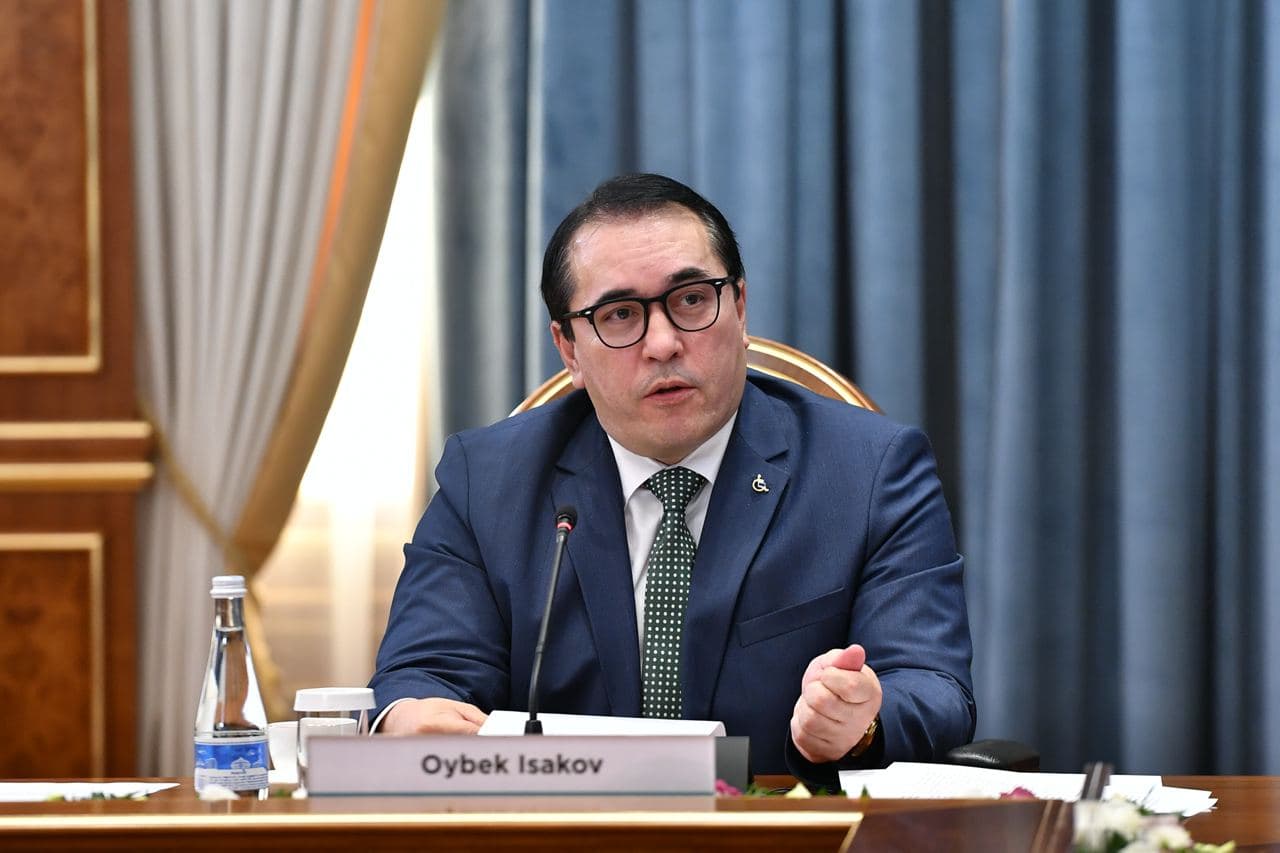
Civil society: the key to democratic change and social progress
Support and development of civil society play a key role for the state for several reasons:
1. Strengthening democracy: Civil society promotes active citizenship, which is important for democracy. It helps people participate in the decision-making process and defend their rights.
2. Social stability: The development of civil society helps reduce social tensions and conflicts by providing a platform for dialogue and problem-solving.
3. Control over the authorities: Civil society organizations can serve as a mechanism of public control, monitoring the actions of the authorities and protecting the interests of citizens.
4. Support for social justice: Civic initiatives often focus on protecting the rights of vulnerable groups, which contributes to a more just and inclusive society.
5. Development of local communities: Civil society promotes active participation of local communities in solving their problems, which leads to more sustainable and targeted development of the country.
6. Building trust: Supporting civil initiatives helps build trust between the State and society, which is important for effective interaction and cooperation.
In order to ensure the implementation of the new version of the Constitution of the Republic of Uzbekistan, the Strategy "Uzbekistan – 2030" and the Concept of Civil Society Development in 2021-2025, the Decree of the President of the Republic of Uzbekistan "On measures to further improve the system of state support for civil society institutions"was issued on 26.08.2024. This document identified six key areas of support for civil society institutions:
1. further increase in the activity of civil society institutions in the life of the state and society, full use of their potential in the development of socio-economic, cultural, spiritual and humanitarian spheres;
2. support the implementation of initiatives aimed at the interests of society and the real needs of the population, as well as aimed at solving urgent problems that persist on the ground;
3. further development of mutually beneficial social partnership between state bodies and civil society institutions;
4. promotion of effective public control by civil society institutions on the way to promoting the development of all spheres of state and society life;
5. establishing links between civil society institutions and compatriots abroad and strengthening cooperation with their foreign associations;
6. strengthening the material and technical base of civil society institutions and creating favorable organizational and legal conditions for them to carry out their activities.
We will analyze several areas of support for civil society institutions.
1. Further development of mutually beneficial social partnership between state bodies and civil society institutions is a very important direction, since without social partnership, non – governmental non-profit organizations(NGOs) with state organizations will not be able to fully protect the rights and interests of their members. Social partnership between non-profit and government organizations is significant and brings many benefits:
1. Sharing resources and knowledge: The partnership allows non-profit organizations to gain access to the resources and expertise of government agencies, and the state-to take into account the needs of society and develop more effective development programs.
2. Sustainable development initiatives: Joint projects contribute to a more sustainable and long-term development of social initiatives, which in turn leads to an improvement in the quality of life of citizens.
3. Improved public oversight: Non-profit organizations can monitor and evaluate public policy programs, which provides greater transparency and accountability.
4. Solving social problems: Partnership allows you to respond more effectively to current social problems, using an integrated approach and combining the efforts of various sectors of society.
5. Creating a supportive social environment: Working together helps build a more inclusive and cohesive society, promoting social justice and respect for human rights.
6. Innovations and new approaches: Non-profit organizations often offer non-standard solutions and innovative approaches to solving social problems, which can be useful for government agencies.
7. Promoting civic engagement: Partnership promotes active citizen engagement in social processes, which strengthens civil society and democratic institutions.
In order to develop social partnership between non-governmental non-profit organizations and state bodies, the Presidential Decree establishes the procedure according to which::
Public funds that have not had a monetary turnover in their bank accounts within one calendar year shall conduct an audit of their activities in this calendar year on a voluntary basis;
Every year, ministries and departments organize competitions to provide social contracts to civil society institutions at the expense of extra-budgetary funds. At the same time, competitions are focused on solving the most pressing problems in the field of human rights protection, creating an irreconcilable environment to corruption, as well as in the field of education, medicine, ecology, construction, transport, public utilities, employment, social services and others.;
At least once a year, ministries, departments, the Council of Ministers of the Republic of Karakalpakstan, regional khokimiyats and the city of Tashkent hold an open dialogue with representatives of sectoral and regional civil society institutions;
Civil society institutions are granted the right to submit proposals to the interested state body on obtaining state social orders for the implementation of initiative projects that provide for effective solution of problems existing in the relevant spheres and sectors of the economy. At the same time, in the event of a positive assessment of the initiative project by the public council under the state body in accordance with the established procedure, it is allowed to provide it to the initiator at the expense of extra-budgetary funds of the state social order body by concluding a direct contract up to a thousandfold of the basic estimated amount.
These provisions of the Presidential Decree promote the development of social partnership between non-governmental non-profit organizations and state bodies by creating mechanisms for implementing social orders. I always keep repeating that the best thing that governments can do for NGOs is to establish a dialogue between non-governmental non-profit organizations and government agencies.
2. Strengthening the material and technical base of civil society institutions and creating favorable organizational and legal conditions for the implementation of activities.
Currently, NGOs face two main problems in their activities: the lack of office space and the lack of funding for their activities. In recent years, the State has taken certain measures to assist NGOs in solving these two problems. In particular, in the city of Tashkent, the Republic of Karakalpakstan and in the regional centers of the regions of the Republic of Uzbekistan, NGO houses have been established, and the parliamentary Fund under the Oliy Majlis and its regional branches allocate state subsidies, social orders and grants for NGOs to financially support their activities. Of course, these measures may not cover all NGOs, and other measures to support the activities of NGOs should also be considered. This applies primarily to NGOs operating in socially significant areas, such as protecting the rights of persons with disabilities, the rights and interests of children and youth, veterans and pensioners. One of these measures of support could be the exemption from payment of rent and utilities to NGOs of persons with disabilities, children and veterans who rent premises belonging to state bodies. These costs could be compensated from the budgets of local authorities and other state organizations. Also, one of the most effective support measures can be the mechanism of public procurement of goods and services produced by enterprises of persons with disabilities created under NGOs, in fact, these are social enterprises that help the state solve employment issues for persons with disabilities. Based on the goals set out in the Presidential Decree, there is a need to develop a long-term "Strategy for State Support of Civil Society Institutions".
This strategy could include the following:
measures to support civil society institutions:
Financial support: Providing grants, subsidies, and tax incentives to non-profit organizations and initiatives.
Information support: Create platforms for sharing information about best practices, successful projects, and funding opportunities.
Organization of trainings, seminars and master classes to improve the skills of NGO employees and activists.
Legal support: Development and implementation of legislation protecting the rights and freedoms of NGOs, as well as simplification of registration and reporting procedures.
Cooperation in the framework of social programs: Involving NGOs in the implementation of state programs and projects, which allows them to use their expertise and resources.
Support for initiatives at the local level: Encouraging local authorities to cooperate with NGOs to solve social and environmental problems in the regions.
Creation of dialogue platforms: Establishing mechanisms for dialogue between the State and civil society institutions to discuss topical issues and jointly search for solutions.
These measures can significantly strengthen civil society institutions and promote their more active participation in society.
Chairman of the Association of Disabled People
Isakov Oybek Yusufbekovich.

 English
  Русский
  O‘zbekcha